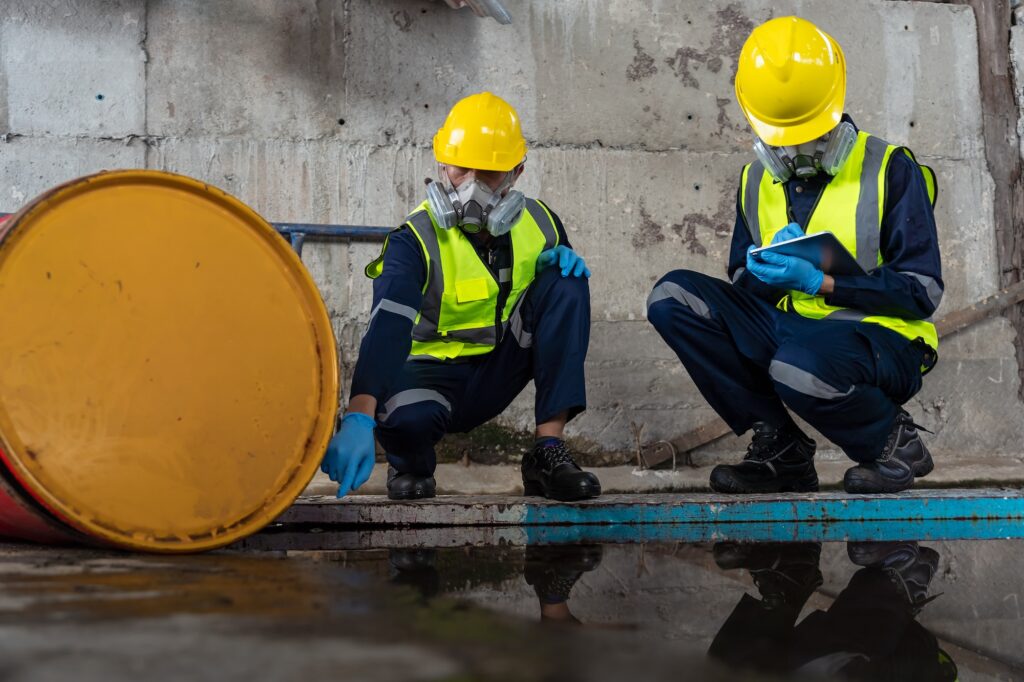
Industrial environments routinely depend on drum storage for chemicals, process fluids, and specialty materials. These containers are commonly exposed to demanding handling conditions, fluctuating temperatures, and potential mechanical damage. When a drum begins leaking, even at a slow rate, the situation can quickly develop into a safety concern that affects personnel, facility infrastructure, and environmental compliance.
Leak incidents frequently trigger costly interruptions, emergency cleanup efforts, and regulatory reporting obligations. In facilities that handle aggressive chemicals or volatile liquids, uncontrolled discharge can pose both immediate and long-term risks. For this reason, emergency containment tools must be readily available and capable of rapid deployment.
Barrel patch seals offer a practical and technically sound method to control leaks at their source. These temporary containment devices allow maintenance teams to isolate damaged areas while longer-term corrective actions, such as drum transfer, structural repair, or container replacement, are coordinated. When engineered from advanced polyurethane materials, sealing solutions provide improved resistance to tearing, chemical attack, and surface irregularities.
Storage drums face numerous stress factors throughout their service life. Impact damage is one of the most frequent causes of leaks. Forklift contact, dropped containers, or collision during transport can puncture or deform drum walls, creating pathways for fluid release.
Corrosion also plays a significant role, particularly in environments where containers store reactive chemicals or are exposed to moisture and airborne contaminants. Over time, localized corrosion can weaken structural integrity, resulting in perforations or stress fractures.
Pressure fluctuations and temperature cycling introduce additional challenges. Repeated expansion and contraction can accelerate fatigue cracking in both metal and plastic drums. Improper stacking practices further compound these risks by concentrating loads on specific points along the container surface.
Once leakage begins, the consequences can extend beyond material loss. Chemical exposure hazards threaten worker safety, particularly if fluids are toxic, flammable, or reactive. Environmental contamination can result in soil or groundwater impact, prompting regulatory investigations and remediation obligations.
Facilities may also face production slowdowns due to containment procedures and equipment decontamination requirements. Cleanup costs, disposal fees, and potential penalties often exceed the initial value of the lost materials. These risks highlight the importance of immediate containment tools such as barrel patch seals within broader spill control equipment strategies.
Ready to improve your spill response? Learn how custom polyurethane sealing solutions can support your containment needs.
Barrel patch seals are temporary containment devices designed to isolate leak points on drums and similar containers. Their primary function is to form a secure barrier over damaged areas, limiting fluid escape until permanent corrective measures can be completed.
Typical seal designs incorporate flexible contact surfaces combined with compression-based fastening mechanisms. This approach allows rapid installation without specialized tools. Operators can position the seal directly over the leak site and apply mechanical force (often through clamps or bolted plates) to create a tight interface with the container wall.
Because industrial drums vary widely in material composition, barrel patch seals must accommodate steel surfaces, molded plastic containers, and systems that include a polyurethane barrel liner or protective insert. Polyurethane sealing elements conform readily to irregular geometries, helping maintain containment even on dented or corroded surfaces.
Polyurethane materials provide several mechanical characteristics that support effective emergency sealing. High resistance to tearing allows seals to withstand installation forces and localized pressure from fastening hardware. Impact tolerance also supports reliable sealing action in environments where equipment movement and vibration are common.
Elastic recovery is another key property. When compressed against a drum surface, polyurethane can deform to match surface contours and then maintain consistent contact over time. This adaptability helps create a more secure barrier compared to rigid sealing materials that struggle to accommodate surface imperfections.
In spill response kits that may remain in storage for extended periods, abrasion resistance helps protect sealing surfaces during transport and repeated use. These characteristics are reflected in PSI Urethanes’ polyurethane barrel patch systems, which use a compact 5 × 7 inch leak-proof urethane sealing pad mounted to a heavy-duty nylon belt. This design allows fast positioning over damaged drum areas while maintaining strong contact pressure once tightened.
Industrial facilities handle a wide spectrum of fluids, including acids, alkalis, hydrocarbons, and process additives. Polyurethane formulations can be engineered to resist swelling, softening, or cracking when exposed to these substances. Compared with conventional elastomers, polyurethane often demonstrates greater stability when subjected to prolonged chemical contact.
PSI’s polyurethane barrel patch spill control products are engineered specifically for chemical exposure environments. The sealing material resists oils, fuels, and many industrial chemicals such as mineral oil, glycol ether, sodium hydroxide solutions, and petroleum-based fluids. This compatibility allows facilities to deploy emergency sealing devices with greater confidence when managing diverse material inventories.
Temperature variability also influences seal behavior. Polyurethane compounds can maintain structural consistency across broad thermal ranges, reducing the likelihood of leakage caused by material stiffening or deformation.
Spill containment planning involves balancing readiness with lifecycle cost considerations. Polyurethane sealing components typically require less frequent replacement than alternatives made from lower-grade plastics or rubber. Facilities can also specify hardness levels, known as durometer ratings, to match expected sealing pressures and chemical exposure conditions.
PSI Urethanes supports these requirements through custom molded cast urethane solutions and stocked polyurethane barrel patch assemblies. Standard strap lengths of 6 feet are designed to wrap securely around individual 55-gallon drums, while extended 11-foot and 27-foot nylon belt configurations provide flexibility for oversized containers or grouped drum storage areas.
Reusable construction and easy cleaning with common soap-and-water methods further support spill response readiness. By incorporating engineered sealing devices into emergency kits, facilities can maintain faster containment response capabilities while reducing replacement frequency and material waste.
Managing challenging chemical storage conditions? Let PSI Urethanes help you design barrel patch seals built for your specific environment.
A wide range of sectors rely on drum storage for process materials and therefore benefit from emergency sealing technologies. Chemical manufacturing facilities frequently handle corrosive substances that demand immediate containment during leak incidents.
Oil and gas storage environments also face elevated risk due to hydrocarbon volatility and regulatory scrutiny. Food and beverage processing plants use cleaning agents and additives that must be controlled to protect both product integrity and workplace safety.
Heavy industrial settings, including metal forming and fabrication operations, store lubricants, coolants, and treatment chemicals in bulk containers. Transportation and logistics providers managing hazardous materials shipments likewise require portable sealing solutions to address damage during transit.
Across these industries, polyurethane sealing systems contribute to faster containment and reduced disruption following leak events.
Rapid containment using barrel patch seals reduces risk exposure, protects personnel, and helps maintain continuity when drum leaks occur. Polyurethane-based sealing technologies provide flexibility, chemical resistance, and adaptability across a broad spectrum of industrial environments.
Facilities that invest in engineered sealing solutions, supported by structured spill response protocols and trained personnel, can significantly limit the consequences of emergency leaks.
PSI Urethanes brings decades of experience in custom molded cast urethane manufacturing, supporting industries that require specialized containment and protective components. With fast in-house mold fabrication, tailored material formulations, and engineering collaboration throughout the design process, PSI develops sealing solutions aligned with real-world industrial demands.
Organizations seeking improved spill preparedness can request a consultation or quote to explore polyurethane sealing systems, protective liners, and custom containment components designed to address their specific leak response challenges.
Looking for reliable emergency sealing components or protective liners? Connect with our team to discuss your next containment solution.
Barrel patch seals are used to quickly contain leaks in damaged drums by sealing the affected area. They help prevent chemical spills, reduce safety risks, and allow time for proper repair or material transfer.
Barrel patch seals are placed directly over the leak and secured using compression (such as straps or clamps). The sealing material conforms to the drum surface, creating a tight barrier that stops fluid from escaping.
Yes, polyurethane barrel patch seals are designed to resist a wide range of chemicals, including oils, fuels, acids, and alkaline solutions. Compatibility depends on the specific formulation and operating conditions.
Polyurethane is used because it provides excellent flexibility, chemical resistance, and durability. It conforms to irregular surfaces and maintains a tight seal even under pressure or temperature changes.