
Urethane Durometer Specs
The Truth About Durometer
The durometer of urethane, the measurement of its hardness and the range at which it can be produced, is extremely versatile. Did you know that urethane’s durometer can range from as soft as a marshmallow to as hard as a bowling ball?
PSI Urethanes’ custom formulations span three different durometer scales, offering a full range of hardness not available from most urethane suppliers. View our polyurethane durometer specs below.
Polyurethane Properties & Technical Specs
Durometer Scales
- Shore OO – Used for extremely soft materials
- Shore A – Used for most rubbers and other elastomers (most common scale)
- Shore D – Used for harder materials including many rigid plastics
Although a durometer is a general indicator of other physical properties, it by no means reflects the amazing versatility of urethane. Physical properties such as rebound, shock absorption, temperature resistance, chemical/water resistance, flex strength, and stretchability may be more important than hardness.
Let PSI custom formulate your product so it has the right physical properties for the job.
Polyurethane Durometer Reference Calculator
The easiest way to understand different urethane measurements is by applying them to things that you are already familiar with. That’s why we’ve put together this polyurethane durometer reference calculator, which gives you everyday items that correspond to different Shore Hardness measurements. Give it a try!
Use the slider below to explore: Drag left or right to see how hardness levels compare to everyday items.
Shore OO
Shore A
Shore D
For reference, this hardness is as soft as a Gummy Bear

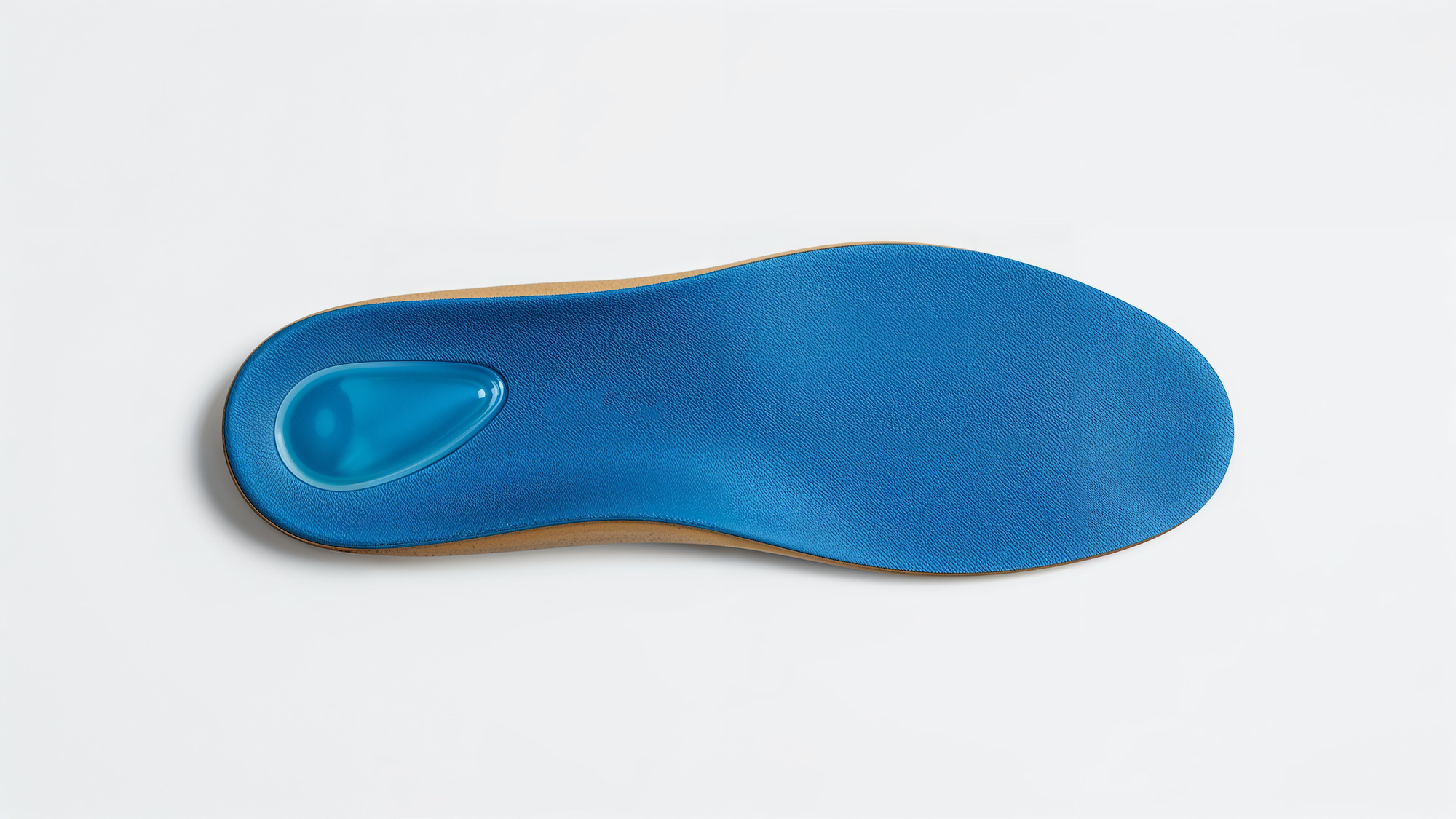
For reference, this hardness is as soft as a Gel Shoe Insole
For reference, this hardness is as soft as a Rubber Band

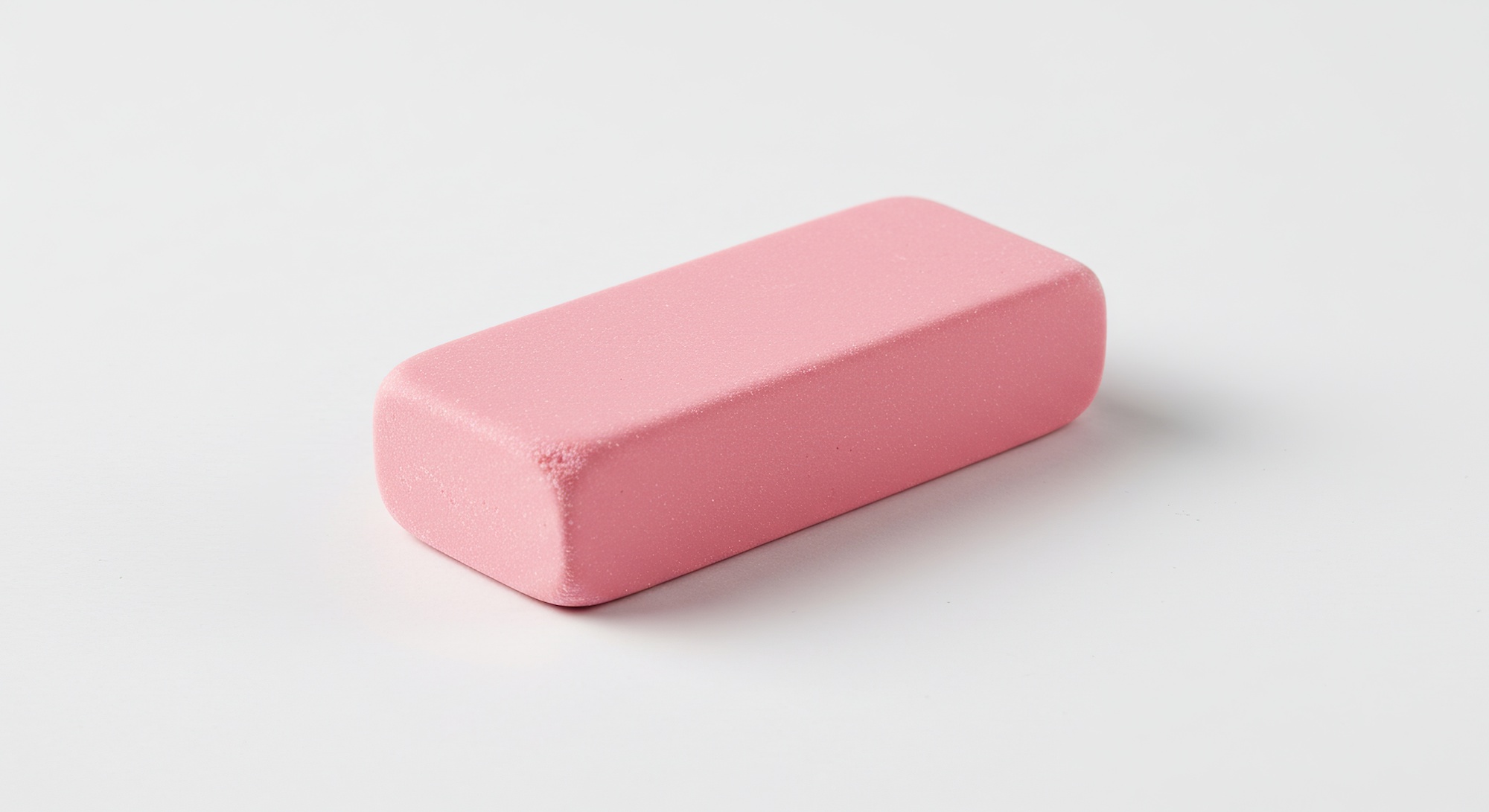
For reference, this hardness is as soft as a Pencil Eraser
For reference, this hardness is as soft as a Tire Tread

For reference, this hardness is as soft as a Shoe Heel

For reference, this hardness is as soft as a Shopping Cart Wheel

For reference, this hardness is as soft as a Hard Hat

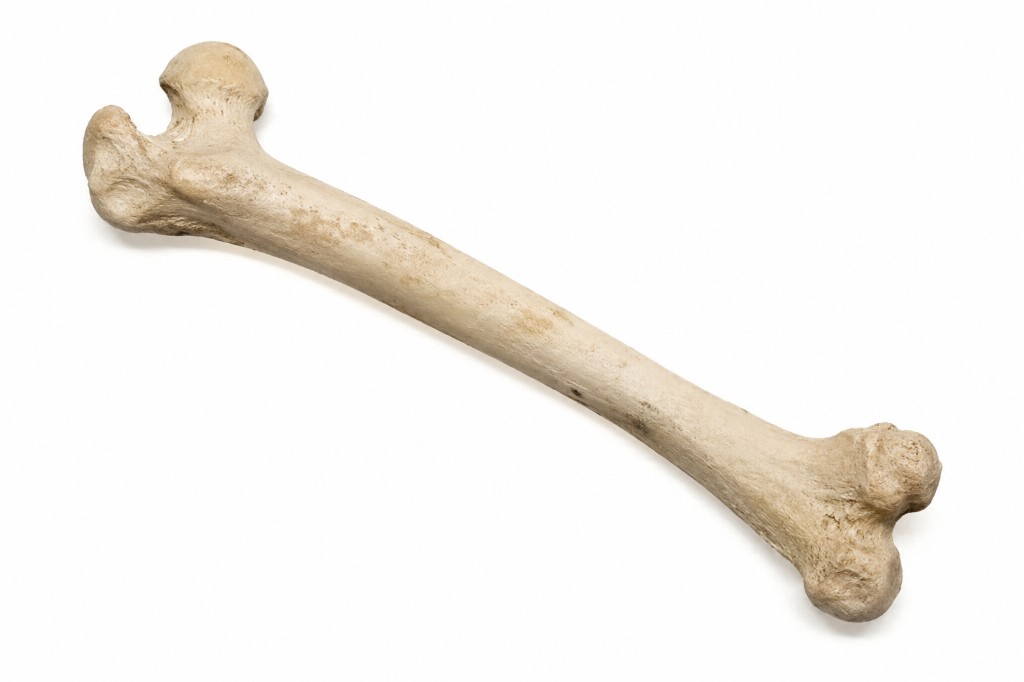
For reference, this hardness is as soft as a Bone
Typical Properties Of Compound Formulas – Shore OO
| Durometer (ASTM D2240) | 25-OO | 40-OO | 50-OO |
| Tensile Modulus, PSI (ASTM D412) | |||
| 100% | 6 | 10 | 13 |
| 300% | 11 | 20 | 31 |
| Tensile Strength, PSI (ASTM D412) | 29 | 137 | 181 |
| Elongation at Break % (ASTM D412) | 913 | 669 | 654 |
| Tear Resistance (lb/in.) | |||
| Die C (ASTM D624) | 6 | 13 | 26 |
| Split Tear (ASTM D470) | 2 | 3 | 3 |
| Compression Set % (ASTM D395B) | 4 | 4 | 1 |
| Resilience (Rebound %) (ASTM D2632) | 19 | 29 | 35 |
Typical Properties Of Compound Formulas – Shore A
| Durometer (ASTM D2240) | 40A | 50A | 60A | 70A | 80A | 90A |
| Tensile Modulus, PSI (ASTM D412) | ||||||
| 100% | 127 | 221 | 229 | 409 | 654 | 1236 |
| 300% | 192 | 386 | 321 | 609 | 1043 | 2299 |
| Tensile Strength, PSI (ASTM D412) | 2196 | 5287 | 2466 | 4671 | 4140 | 5192 |
| Elongation at Break % (ASTM D412) | 750 | 620 | 835 | 720 | 637 | 405 |
| Tear Resistance (lb/in.) | ||||||
| Die C (ASTM D624) | 140 | 228 | 219 | 386 | 484 | 670 |
| Split Tear (ASTM D470) | 32 | 37 | 53 | 115 | 137 | 85 |
| Compression Set % (ASTM D395B) | 14 | 4 | 51 | 35 | 45 | 27 |
| Resilience (Rebound %) (ASTM D2632) | 8 | 4 | 40 | 39 | 31 | 46 |
Typical Properties Of Compound Formulas – Shore D
| Durometer (ASTM D2240) | 50D | 60D | 70D |
| Tensile Modulus, PSI (ASTM D412) | |||
| 100% | 2196 | 3376 | 4842 |
| 300% | 5396 | N/A | N/A |
| Tensile Strength, PSI (ASTM D412) | 6153 | 5149 | 6799 |
| Elongation at Break % (ASTM D412) | 325 | 261 | 205 |
| Tear Resistance (lb/in.) | |||
| Die C (ASTM D624) | 946 | 1088 | 1349 |
| Split Tear (ASTM D470) | 162 | 201 | 207 |
| Compression Set % (ASTM D395B) | 26 | 38 | |
| Resilience (Rebound %) (ASTM D2632) | 39 | 37 | 42 |
Ask Our Experts.
Contact us today to learn how we can meet your project’s requirements.