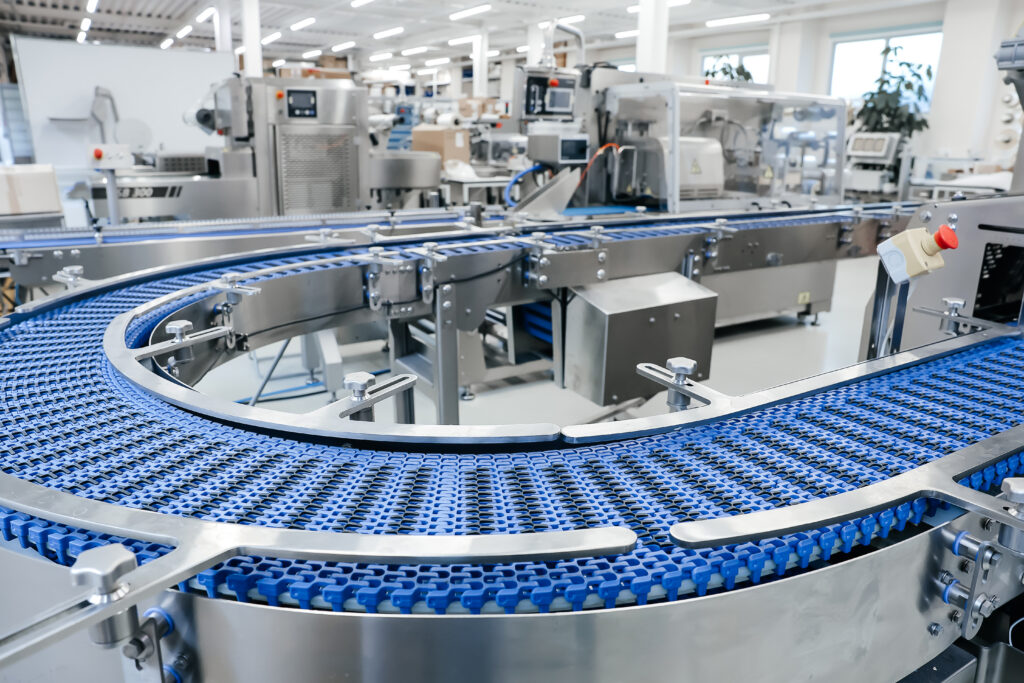
Conveyor systems rarely fail because of one catastrophic breakdown. Most failures happen gradually through abrasion, repeated impacts, contamination, vibration, and material buildup that slowly wear down critical components over time.
Rollers crack. Belts start mistracking. Bearings become contaminated. Transfer points wear out faster than expected. Maintenance teams replace one failed part only to discover another weak point somewhere else on the line.
In many facilities, conveyor systems become one of the biggest sources of unplanned downtime because they operate under constant mechanical stress. That is why manufacturers are increasingly building “bulletproof” conveyor systems designed around stronger materials, impact resistance, and longer-lasting wear components.
One of the most widely used materials for these environments is cast urethane.
Modern urethane conveyor components help absorb impacts, resist abrasion, reduce vibration, and tolerate harsh environments better than many traditional materials. From urethane conveyor rollers to polyurethane wear parts and urethane-covered conveyor systems, cast urethane has become a preferred solution across industries ranging from mining and aggregate handling to food processing and packaging automation.
For more than 50 years, PSI Urethanes has manufactured custom cast urethane products for demanding industrial applications, helping companies improve conveyor reliability through application-specific engineering and precision molded urethane conveyor components.
Conveyors operate under nonstop stress. Bulk materials constantly grind against rollers, liners, and wear surfaces while transfer points introduce repeated shock loading throughout the system.
Some of the most common causes of conveyor wear include:
Over time, these conditions lead to several common conveyor failures:
The cost of these failures extends far beyond replacement parts. Conveyor downtime often creates production stoppages, emergency maintenance labor, safety concerns, and lost productivity across the entire facility.
Fighting conveyor wear and repeated failures? PSI Urethanes builds custom cast urethane solutions for demanding environments.
The foundation of a longer-lasting conveyor system starts with material selection.
Traditional conveyor materials like rubber, steel, UHMW, and nylon all have limitations depending on the environment. Rubber can tear and wear quickly under heavy abrasion. Steel introduces vibration, corrosion concerns, and excessive noise. Rigid plastics may crack under repeated impacts or dynamic loading.
Urethane conveyor components offer a combination of advantages that make them highly effective in demanding conveyor applications:
Cast urethane also gives engineers greater flexibility because hardness, geometry, and bonding methods can all be customized around the application.
Urethane conveyor rollers help absorb repeated impacts while reducing vibration and belt slippage. Compared to many rubber alternatives, urethane rollers often provide:
Industries commonly using urethane rollers include:
Urethane conveyor systems are widely used in environments where abrasion, oils, chemicals, or washdowns rapidly degrade conventional materials.
Advantages include:
In many industrial environments, urethane surfaces outlast traditional rubber conveyor systems.
Polyurethane wear parts act as sacrificial urethane conveyor components designed to protect more expensive conveyor assemblies from damage. Common examples include:
Replacing these wear components is significantly less expensive than rebuilding transfer points, conveyor frames, or support assemblies.
Effective conveyor engineering starts with understanding the application environment.
Bulk material handling systems require different material properties than food-grade automation conveyors. Factors like moisture, impact severity, abrasion levels, and chemical exposure all influence component selection.
Durometer selection also plays a major role.
Precision manufacturing matters just as much. Poor tolerances can create belt tracking problems, uneven wear, vibration, and premature failures throughout the conveyor system.
That is why many manufacturers move toward custom molded urethane components instead of relying entirely on generic off-the-shelf parts.
PSI Urethanes supports these applications through in-house tooling, mold-making, precision casting, and engineering support designed around real-world industrial wear conditions.
Compared to rubber, urethane often provides:
Compared to steel, urethane helps reduce:
Compared to many rigid plastics, urethane offers:
Need conveyor components built for abrasion, impacts, and heavy use? PSI Urethanes can help.
Food processing facilities use FDA-compliant urethane components because they tolerate aggressive washdowns while helping protect products during conveying.
Aggregate and mining systems rely on urethane in high-abrasion transfer zones where repeated impacts quickly destroy conventional materials.
Packaging and automation systems benefit from reduced vibration, smoother movement, and quieter conveyor operation.
Many OEM conveyor manufacturers also use custom urethane parts to improve equipment lifespan and differentiate their systems from standard conveyor designs.
Several warning signs typically indicate larger conveyor wear problems:
Replacing failed components one at a time often does not solve the root cause because wear conditions affect the entire conveyor system.
Reactive maintenance can quickly become more expensive than upgrading high-wear areas with engineered components designed for the actual environment.
Custom urethane components allow engineers to design around specific failure points, including:
Fast tooling and prototyping capabilities also help manufacturers respond more quickly to recurring wear issues and replacement needs.
With more than five decades of cast urethane manufacturing experience, PSI Urethanes provides custom molded solutions, engineering support, and precision manufacturing for demanding conveyor applications.
Conveyor reliability depends heavily on material selection, especially in environments exposed to abrasion, impacts, vibration, and contamination.
Urethane conveyor components help reduce downtime, absorb impacts, and extend conveyor lifespan across a wide range of industrial applications.
Urethane conveyor rollers and polyurethane wear parts frequently outperform rubber, steel, and plastic alternatives where repeated wear conditions create ongoing maintenance problems.
Custom-engineered urethane systems can also solve recurring conveyor failures that generic parts often cannot address effectively.
For manufacturers looking to reduce shutdowns, extend component life, and improve maintenance predictability, PSI Urethanes provides custom conveyor solutions backed by more than 50 years of cast urethane manufacturing experience.
Ready to upgrade your conveyor system with custom urethane parts? Contact PSI Urethanes today.
Urethane conveyor components offer superior abrasion resistance, impact absorption, and durability compared to traditional rubber or steel components. They also help reduce vibration, operating noise, and premature wear in demanding conveyor environments like mining, aggregate handling, packaging, and food processing.
Urethane conveyor rollers are widely used in industries that experience high abrasion, repeated impacts, or harsh operating conditions. Common applications include mining, aggregate processing, food manufacturing, packaging automation, recycling, and bulk material handling systems.
Polyurethane wear parts typically last significantly longer than conventional rubber or plastic components because they resist abrasion, tearing, and chemical exposure. Actual lifespan depends on factors like material load, operating environment, impact severity, and conveyor speed.
Common signs include excessive vibration, belt mistracking, rising maintenance costs, increased operating noise, premature roller failures, and recurring wear at transfer points. Upgrading to engineered urethane conveyor components can help reduce downtime and extend system life.